
Features ship, but teams do not learn
Without instrumentation and cycle reviews, roadmap decisions stay opinion-based. We define event signals and review loops from the first release.
Continuous discovery and delivery: we shape scope, validate trade-offs, and ship production systems with a weekly cadence.
UK-friendly collaboration, decision logs, and ownership by default.
Define problem, constraints, and outcome metrics before implementation starts
Ship scoped increments with decision logs and trade-offs documented each cycle
Run a weekly cadence for shaping, delivery, and release feedback
Use product signals to decide what changes next and what should wait
Roadmap shifts every week with no scope control and no learning loop
Decisions disappear in Slack and context resets every sprint
Features ship without instrumentation so teams cannot learn from releases
Ops and admin tooling are added late and create operational bottlenecks

Decision-led delivery
Discovery and execution in one weekly loop.
Instrumented by default
Activation, retention, and performance signals included.
UK-aligned cadence
Shaping, delivery, and reviews with written clarity.
Ownership by default
Code, infra, docs, and decisions stay with your team.

Product system blueprint
Define the system before feature build: domain boundaries, key user flows, and constraints that keep scope coherent as roadmap priorities evolve.
Instrumentation and release cadence
Product engineering is measurable delivery. We wire product signals and release discipline into every cycle so teams learn from each increment.
Admin and product operations layer
We include the operational surfaces teams need to run the product daily, not just the customer-facing interface.
Product teams rarely fail because of coding speed. They fail when decisions, scope, and delivery cadence are disconnected.
Without instrumentation and cycle reviews, roadmap decisions stay opinion-based. We define event signals and review loops from the first release.
Weekly reprioritization creates rework when scope is not locked per cycle. We use shaping checkpoints and explicit scope decisions before build starts.
When assumptions live in chat threads, execution loses context. We keep a shared system map and decision logs that survive team changes.
Products become hard to operate when support tooling arrives after launch. We include admin surfaces, roles, and auditability as first-class scope.
No release controls means unstable delivery and slow incidents. We define release train rules, rollback paths, and accountability by function.
If docs are postponed, hiring and onboarding stall. We maintain diagrams, runbooks, and onboarding context continuously instead of at the end.
Continuous discovery and delivery, without silo handovers

1
Define the product loop
Outputs: problem framing, scope for the next cycle, system constraints, and outcome metrics.
2
Build and release with observability
Outputs: shipped increment, release notes, event tracking updates, and decision log entries.
3
Review signals and evolve scope
Outputs: usage findings, next-cycle priorities, updated architecture map, and handover docs.
Product engineering works when decision-making and delivery share one cadence. This is how we keep UK teams aligned without process overhead.
30-60 minutes to confirm scope, constraints, and outcome signals for the next increment.
What changed, why it changed, and what trade-offs were accepted.
What shipped, what we learned from metrics, and what should change next.
System map, runbooks, and onboarding context updated as part of Definition of Done.

UK operations and product evolution
Problem: fragmented operations and outdated systems. Change: unified product workflows, automation, and dashboarding. Outcome: cleaner execution and fewer manual bottlenecks.
Discuss similar setup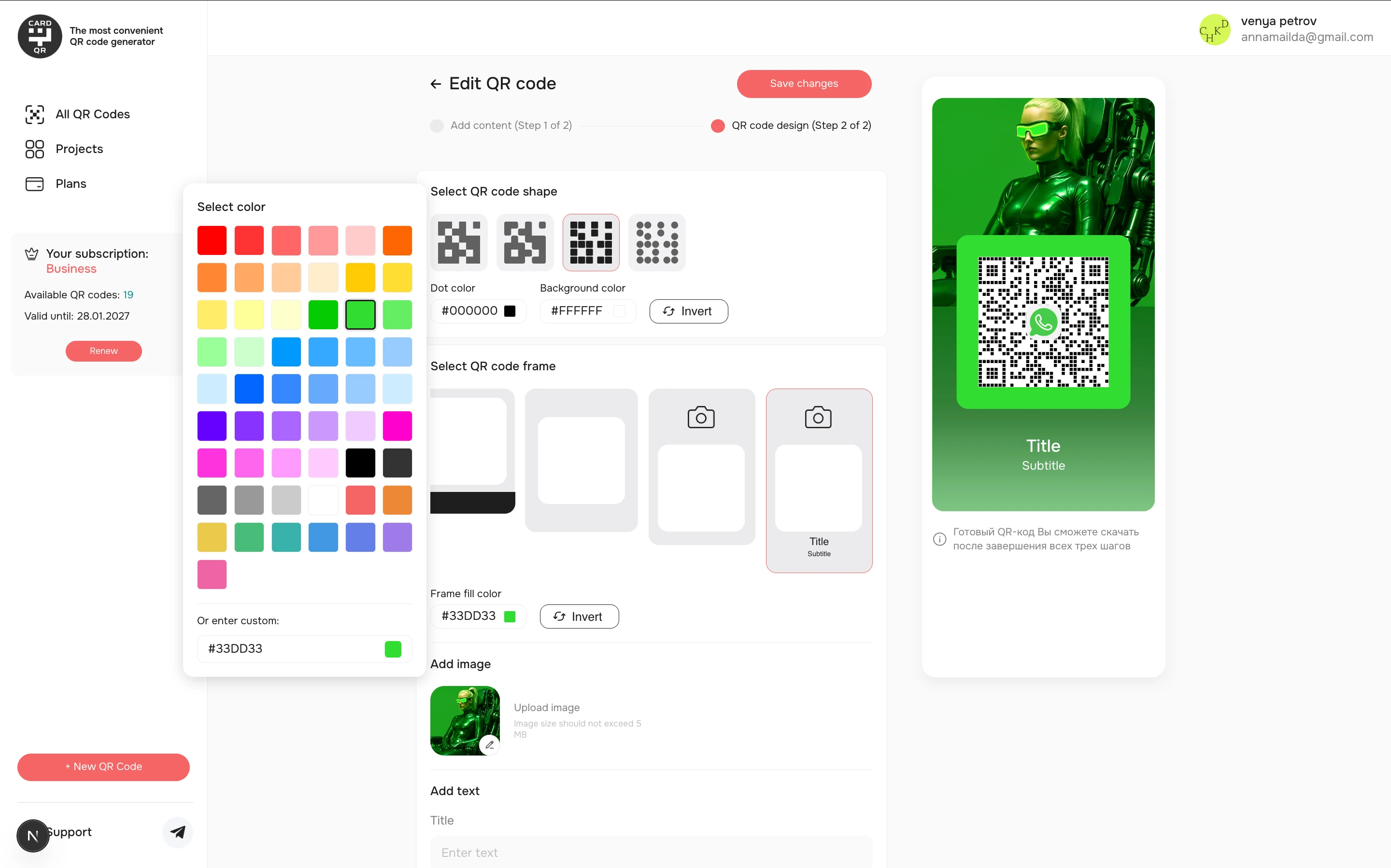
SaaS iteration discipline
Problem: scaling product complexity. Change: stable architecture and release discipline with platform boundaries. Outcome: faster iterations without rewrite pressure.
See case study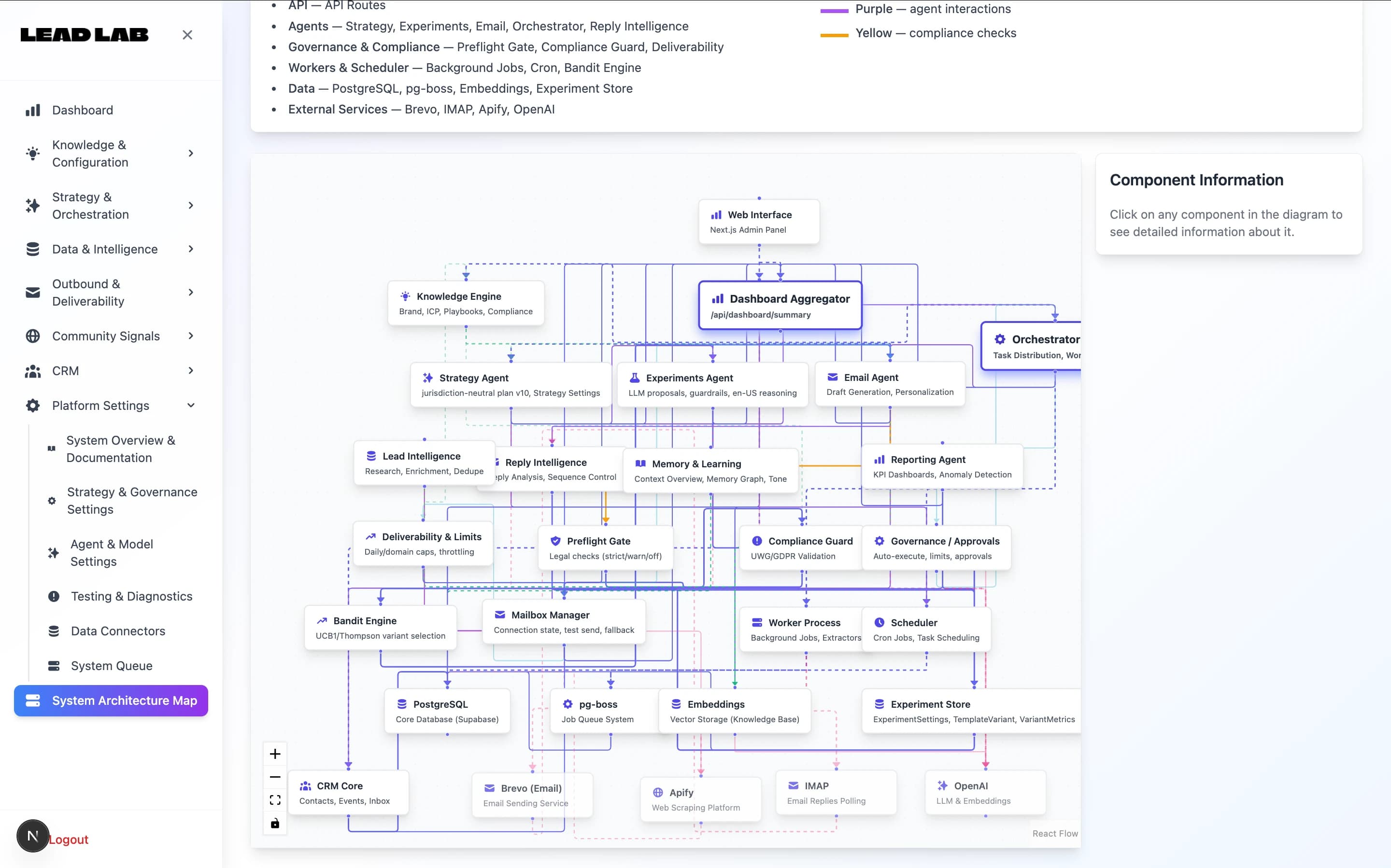
Analytics-led product decisions
Problem: growth decisions lacked reliable product signals. Change: instrumentation and operational analytics layer. Outcome: clearer roadmap decisions and measurable delivery impact.
See case studyTypical impact when discovery, delivery, and product operations run in one system.
Scoped increments and explicit decision logs reduce rework between cycles.
Instrumentation and release reviews turn assumptions into measurable next steps.
Admin workflows, roles, and traceability are included before scale pain appears.
Continuous handover artifacts let new hires ramp without slowing delivery.
If you already have a PRD and only need delivery execution, choose Software Development.
We run discovery in short shaping cycles tied to immediate build scope. Each cycle has scope locks, decision notes, and clear outcomes, so delivery stays predictable.
Each cycle includes decision logs, scope updates, architecture notes, release notes, and product signal reviews, not only merged tickets.
Yes. We run one cadence with shared backlog context, explicit ownership boundaries, and no handover gaps between shaping and execution.
Product Engineering is for evolving scope and continuous discovery plus delivery. Software Development is execution-first when scope is already mostly defined.
Pick the route that matches current scope, decision needs, and delivery model.
Execution-first track for defined scope and release hardening.
Fast first release for validation with production baseline.
Cross-region remote model, compliance approach, and collaboration standards.
Not sure yet? Start from the UK hub and choose your track.