
Internal Tools for Ops Teams: approvals, roles, audit trails, and real adoption
Replace spreadsheets with a production system your team can run every day, securely and with full ownership.
Built for messy reality: changing processes, multiple roles, integrations, and data that must stay trusted.

Workflow map + roles matrix + source-of-truth data model
RBAC and approval rules, admin console, and audit log design
Validation rules, import/export strategy, and operator UI patterns
Integrations layer: webhooks, scheduled sync, retries, idempotency
Permissions added late create security and approval chaos
Operator UX ignored, teams return to shadow spreadsheets
Data quality drifts when validation and reconciliation are missing
Integrations fail silently without monitoring and retry policy

Operator-first UX
Guided flows teams adopt daily.
RBAC + audit
Permissions and change history included.
Reliable integrations
Retries, idempotency, and sync visibility.
Full ownership
Code, infra, data model, and docs stay with you.
This is for you if

Workflow and access foundations
Define operational logic before coding so approvals and responsibilities stay clear.
- •Workflow map across teams and handoffs
- •Roles matrix and responsibility boundaries (RACI-lite)
- •Permissions model (RBAC/ABAC) with approval steps
- •Source-of-truth decisions for key entities

Operator UX and control surfaces
Build internal tooling people use daily, with guardrails and traceability.
- •Admin panel and operator-focused UI patterns
- •Audit log and change history for critical actions
- •Validation rules and exception handling flows
- •Import/export strategy for rollout and transition

Integrations and production reliability
Keep operations stable when data moves across CRM, billing, support, and ERP tools.
- •Integrations layer with webhooks and scheduled sync
- •Retry and idempotency strategy for external systems
- •Staging/production separation and rollback plan
- •Monitoring baseline with error budgets and alerts
Low adoption because operator UX is unclear,
permissions bolted on late,
data trust erodes without validation and audit trails,
integrations fail silently without retries and monitoring,
process change breaks rigid workflows,
shadow spreadsheets return after launch.
We design for operator behavior, role controls, and process change so the system stays usable after rollout.
Get an internal tools roadmap
Operational impact from internal tools delivery
Approval and handoff paths become predictable.
Teams stop waiting in Slack threads and execute through structured flows.
Validation, reconciliation, and auditability improve report confidence.
Ops and finance teams use one source of truth instead of spreadsheet forks.
Workflow updates ship without destabilizing daily operations.
Modular flows and role boundaries reduce regressions after policy updates.
CRM, billing, and support data stay consistent.
Retry policies and idempotency prevent silent sync failures and revenue-impacting gaps.
Ops-first system design
Built around approvals, role boundaries, and operational workflows.
Controls built in
RBAC, audit trails, validation, and environment separation are default.
Adoption-focused rollout
Operator UX, training snippets, and feedback loops reduce rollout friction.
Reliable integration behavior
Retries, idempotency, and monitoring keep data flowing predictably.
Full ownership
Code, infra, data model, and runbooks stay with your team.
Cadence and artifacts designed for internal tools adoption

1
Workflow and data discovery (1-2 weeks)
Output: workflow map, role matrix, data model, scoped delivery plan, and operational risk list.

2
Build core flows, admin, and integrations
Output: operator UI, RBAC policies, audit logs, integrations layer, staging environment, and release checklist.

3
Adoption and rollout
Output: rollout plan, training snippets, feedback loop, monitoring baseline, and iteration backlog.
Proof from internal systems work
Internal inspections and compliance workflows
Vulken FM Operations Platform
Built mobile + admin operations system with role-aware workflows, structured forms, and audit-ready reporting for field and office teams.
Outcome: standardized inspections, less reporting ambiguity, stronger compliance traceability.
Request this workflow pattern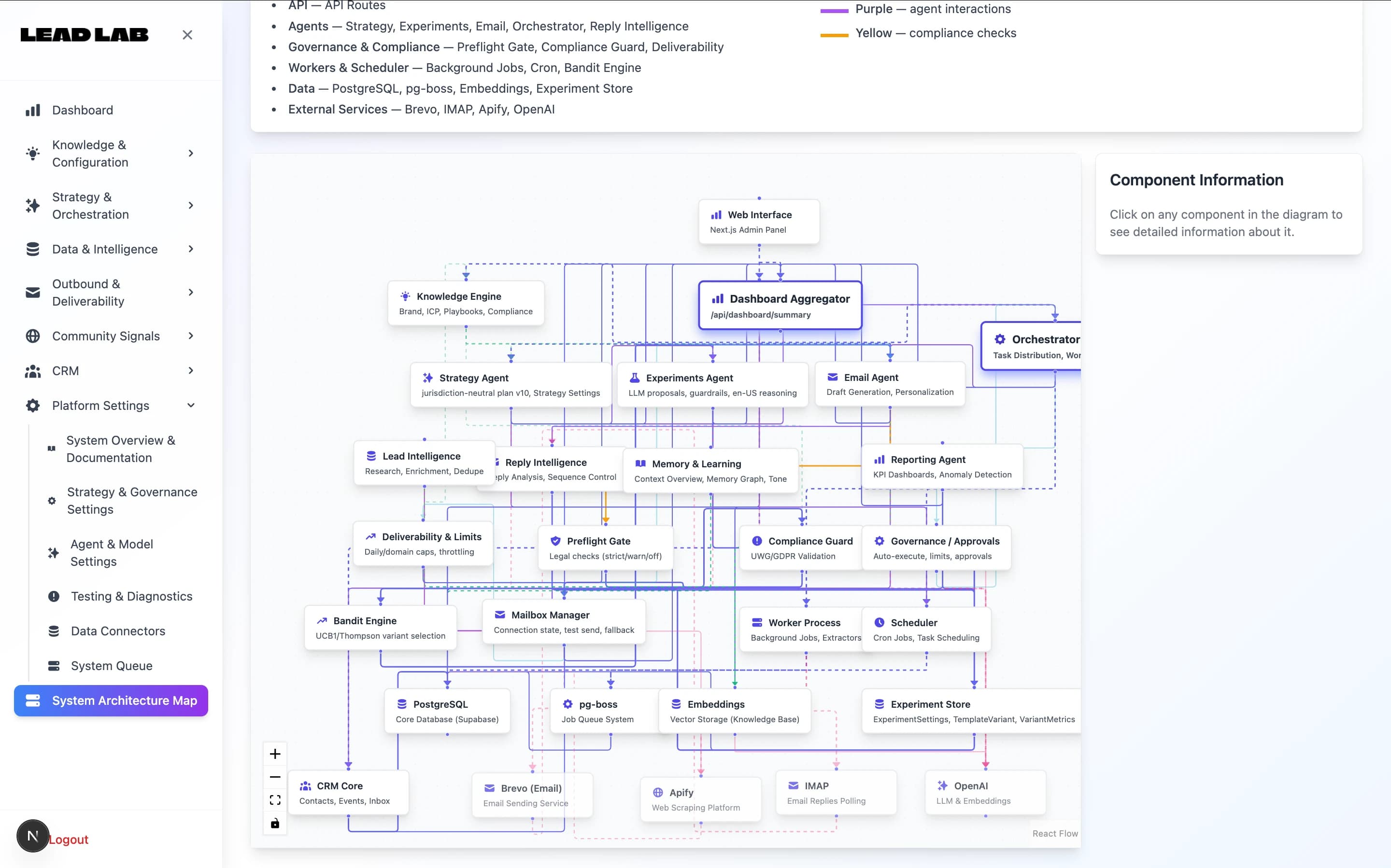
Analytics and operational visibility
Lead Lab Internal Growth Console
Unified data and growth operations in one internal platform with controlled access and execution clarity.
Outcome: fewer manual reporting loops and faster decision cadence across teams.
See case study
High-load reliability and controls
VTB Enterprise Operations Backbone
Implemented enterprise-grade backend and reliability practices for mission-critical operations workflows.
Outcome: stable execution under load with auditable system behavior.
See case studyFrequently Asked Questions
We model role boundaries before implementation, then apply RBAC policies and approval states directly in workflows and APIs. We validate role behavior with scenario testing before release.
Yes. We include event-level audit trails for critical changes, including who changed what, when, and from where, so operations and compliance reviews are traceable.
We define a phased migration plan: data mapping, import validation, parallel run window, and cutover criteria. Teams keep daily operations running while the new system stabilizes.
We implement retry and idempotency policies, monitor sync jobs, and expose failure states in dashboards. Integration behavior is treated as core product logic, not background scripts.
Not sure which track fits?
Use the US hub to choose between Internal Tools, Automation, Platform, MVP, and SaaS paths.
Related US pages
Choose the page based on job-to-be-done, not generic "software development" intent.
Business Automation
Event-driven workflows, integrations, and lifecycle automation.
Web App Development
Customer-facing or product web systems with release discipline.
Platform Development
Complex multi-role domains with deeper workflow orchestration.
SaaS Development
Tenancy, billing lifecycle, and entitlement-heavy product systems.