
Workflow Automation Systems: reliable, debuggable, built for change
Replace repetitive ops work with automated workflows that include queues, retries, audit trails, and clear human-in-the-loop paths.
Not Zapier spaghetti. Real automation you can operate in production.

Process map + failure paths + SLA impact by workflow step
Queue, retry, and DLQ strategy with alert routing
Idempotency keys, deduplication rules, and replay/backfill tooling
Integration contracts, schema/versioning policy, and webhook safety
Silent failures with no operator visibility until customers escalate
Duplicate and out-of-order events break CRM, billing, and support states
Vendor API changes cascade across brittle workflow logic
No ownership model, runbooks, or exception queue discipline

Queues + retries
Workflow delivery with backpressure controls.
Idempotent flows
Duplicates and race conditions controlled.
Exception ops
DLQ + human-in-the-loop paths included.
Full ownership
Code, runbooks, and monitoring dashboards stay with you.
This is for you if

Workflow runtime and control plane
Automation logic modeled as states and transitions, with explicit behavior for failures.
- •Process map with happy path and failure path coverage
- •Event model with triggers, states, transitions, and SLA mapping
- •Queue + retry + dead-letter queue policy
- •Exception queue ownership and human-in-the-loop routing
Reliability and data integrity layer
Automation built to resist duplicates, race conditions, and ordering issues.
- •Idempotency keys and deduplication rules
- •Out-of-order event handling and state reconciliation strategy
- •Backfill/replay tooling for recovery and migration windows
- •Trace IDs, audit logs, and incident-grade observability

Integration contracts and change safety
System-to-system automation that survives external API and schema changes.
- •Versioned integration contracts and adapter boundaries
- •Webhook safety rules and schema validation
- •Contract tests around vendor API changes
- •Business-impact alerting, runbooks, and change management
Automations fail silently without DLQ and alert routing,
duplicate events create duplicate billing or CRM actions,
out-of-order webhooks break process state,
vendor API changes break brittle adapters,
edge cases pile up without exception queues,
workflow changes stall because logic is not modular.
We ship with queue policy, idempotency, replay strategy, and runbooks so workflow changes stay safe.
Get automation roadmap
Operational impact from workflow automation systems
Failures move from hidden to observable.
DLQ, retries, and exception dashboards surface issues before customers notice.
Duplicate and out-of-order events are controlled.
Idempotency and state handling reduce billing, CRM, and support inconsistencies.
Workflows evolve without full rewrites.
Modular routing and adapter boundaries allow safe updates under ongoing operations.
Teams can trace who, what, and when across systems.
Audit logs and trace IDs make investigation and compliance reviews predictable.
Automation reliability engineering
Queues, retries, idempotency, and DLQ strategy from day one.
Safe change model
Versioned contracts, adapter boundaries, and rollback-aware releases.
Business-impact observability
Alerts and dashboards tied to operational outcomes, not only tech errors.
Human-in-the-loop operations
Exception queues and ownership paths operators can manage.
Full ownership
Workflow logic, runbooks, infrastructure, and monitoring stay with your team.
Build it so operations can run it, debug it, and change it

1
Map process and failure paths
Inputs, outputs, SLAs, edge cases, and business impact map before implementation.

2
Build engine + integrations + safety rails
Workflow runtime, queue/retry/DLQ controls, idempotency, and versioned adapters ship as one system.

3
Operate and evolve
Dashboards, backfills, runbooks, and change-management cadence keep automations alive after launch.
Proof from automation systems
Compliance workflows and reporting pipeline
Vulken FM Operations Automation
Automated structured field-to-office workflows with role-aware approvals and report generation.
What changed: less manual reporting overhead and clearer compliance traceability.
Request this automation pattern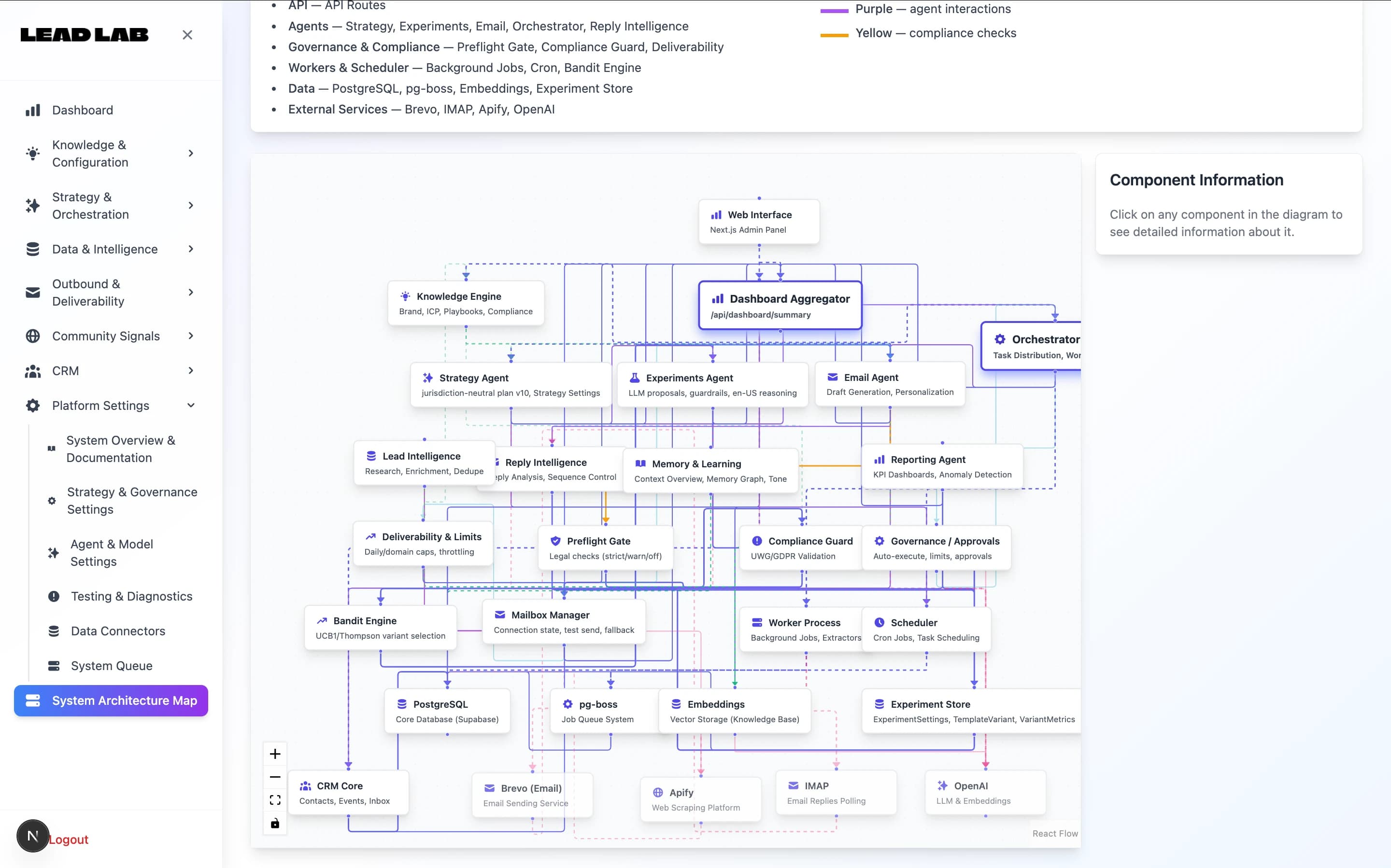
Data flows and operational analytics
Lead Lab Growth Pipeline
Built automation around data ingestion and operational signals used in daily decision loops.
What changed: faster execution with fewer manual sync and reporting steps.
See case study
High-load event reliability
VTB Enterprise Processing Backbone
Engineered resilient event processing patterns under strict reliability and audit requirements.
What changed: predictable processing behavior under high operational load.
See case studyChoose your track
Separate system-to-system automation work from operator UI and domain platform work.
Frequently Asked Questions
We define queue policy, idempotency keys, and ordering strategy before implementation. This prevents duplicate actions and keeps workflow state consistent across retries and delayed events.
Yes. Production workflows include DLQ handling for failed messages plus replay/backfill capability for recovery and migration windows.
We define alerts against business-impact signals such as stalled approvals, missed SLAs, failed order transitions, and reconciliation drift, not only infrastructure metrics.
We ship workflows in modular steps with versioned adapters and runbooks. Changes are rolled out safely without rebuilding the entire automation layer.
Not sure where this fits?
Use the US hub and choose the best delivery track for your current bottleneck.